When summer heat settles over the Sound Shore, a reliable air conditioner isn’t a luxury—it’s essential. For homeowners in Port Chester, electrical AC problems can turn a routine cooling cycle into a safety hazard or a costly breakdown. From short circuits to failed components, electrical issues are often the hidden cause behind symptoms like AC not cooling, weak airflow AC, thermostat issues, or a noisy air conditioner. This guide explains how to recognize electrical faults, what to do in an emergency, and how to protect your home and system for the long term.
Electrical AC problems can be sneaky because they often masquerade as everyday performance complaints. For example, you might notice the air conditioner leaking water or a clogged AC drain line and fix the symptom without realizing the root cause is electrical—like a shorted float switch, a burned-out condenser fan motor, or a tripped breaker that keeps the system cycling improperly. Understanding the electrical side of Port Chester home HVAC issues helps you respond quickly and safely.
Common electrical AC problems and what they mean
- Tripped breakers and blown fuses: If your system shuts off abruptly or won’t turn on, the breaker protecting the condenser or air handler may have tripped. Frequent trips signal deeper problems—short circuits, a failing compressor, seized fan motors, or wiring faults. Repeatedly resetting a breaker is unsafe; it can overheat wiring and escalate risk. Short circuits and ground faults: A short circuit occurs when hot and neutral conduct directly, drawing a surge of current. A ground fault happens when current takes an unintended path to ground, often through metal components or moisture. Both can produce burning smells, smoke, or charring at terminals. In older Port Chester homes, aging wiring, rodent damage, vibration, and moisture intrusion are common culprits. Capacitor and contactor failures: The start/run capacitor and contactor work together to energize motors and the compressor. When they fail, you’ll often hear a humming outdoor unit that won’t start, intermittent operation, or the classic symptom of AC not cooling despite power. Pitted contactors also contribute to noisy air conditioner starts and stops. Loose or overheated connections: High-amperage loads and vibration can loosen lugs and wire nuts, generating heat at terminals. Signs include scorched insulation, a hot electrical panel, or a faint burnt-plastic odor near the air handler or condenser. This can cascade into frozen AC coils due to intermittent fan operation or a damaged control board. Thermostat and control board issues: Thermostat issues—miscalibration, low batteries, miswiring, or failing relays—often cause short cycling, uneven temperatures, or weak airflow AC. A damaged control board can lock out the compressor or fan, resulting in AC not cooling even though the blower runs. Motor and compressor electrical failures: Windings can short internally, leading to high amp draw, hot motors, and breakers tripping. A struggling condenser fan can overheat the compressor and drive head pressures up, sometimes mistaken for refrigerant leaks or a simple performance dip.
How electrical faults show up in everyday symptoms
- AC not cooling: Beyond low refrigerant or dirty coils, look for breaker trips, a non-engaging contactor, or a failed capacitor. If the outdoor unit is silent but the indoor blower runs, suspect an electrical failure in the condenser circuit. Weak airflow AC: The indoor blower may be running on reduced speed or cycling off due to a failing motor capacitor or loose connections at the control board, not just a clogged filter. Frozen AC coils: While restricted airflow and low charge are common triggers, intermittent blower or defrost control due to electrical issues can silently freeze the evaporator. Ice melt can then contribute to an air conditioner leaking water. Air conditioner leaking water and clogged AC drain line: Electrical faults that stop the blower unexpectedly can flood the drain pan, and a stuck or miswired float switch can allow overflow. Over time, a clogged AC drain line may form because the system isn't moving air consistently to dry the pan. Noisy air conditioner: Clicking, chattering, or buzzing often points to a failing contactor, relay, or capacitor rather than mechanical failure alone. Refrigerant leaks: Not electrical in origin, but electrical problems that overheat the system can increase pressure stress and vibration, aggravating weak brazed joints. Always resolve electrical performance issues before recharging.
Immediate safety steps if you suspect an electrical AC problem
- Do not repeatedly reset tripped breakers. If a breaker trips more than once, leave it off. Power down the system. Turn off the thermostat, and use the disconnect at the outdoor unit and the indoor air handler if accessible. Look, don’t touch. Check for smoke, scorch marks, frayed wires, burnt smells, or water near electrical components. Keep clear of standing water around the condenser. Ventilate if there’s odor. If you smell burning insulation, open windows and avoid using other high-load appliances until a professional inspects. Call a licensed HVAC technician or electrician familiar with Port Chester home HVAC issues, particularly older housing stock and mixed copper/aluminum branch circuits.
Why Port Chester homes face unique risks
- Older construction and renovations: Many homes have layered upgrades, creating junctions and splices that age differently. Mixed-metal terminations, under-sized circuits, or shared neutrals can create hidden stress points for high-draw equipment like AC. Coastal humidity and storms: Moisture accelerates corrosion at contactors, lugs, and disconnects. Lightning and utility fluctuations can damage control boards and capacitors, exacerbating electrical AC problems. Tight building envelopes: Energy upgrades reduce infiltration but can trap moisture. Condensate mismanagement combined with intermittent blower operation leads to recurring clogged AC drain line issues and water damage.
Proactive steps to prevent electrical AC problems
- Annual professional tune-ups: Insist on electrical tests, not just coil cleaning. A thorough check should include capacitor microfarads, contactor condition, compressor and fan amperage vs. nameplate, insulation resistance (megger test where appropriate), temperature rise at lugs, and control board diagnostics. Torque and tighten: Periodically re-torque high-current lugs in the disconnect and air handler according to manufacturer specs. Thermal imaging during maintenance can reveal hot spots before failure. Surge protection: Install whole-home surge protection and a dedicated surge suppressor for the condenser/control circuit to safeguard boards and thermostats from utility spikes. Drain line protection: Clear and flush the condensate line, add an inline cleanout, and use a float switch that cuts power on overflow. This prevents air conditioner leaking water events that can reach electrical components. Thermostat best practices: Use quality batteries or hardwired power with a common (C) wire. Verify correct system settings (cooling stages, fan profile). This reduces thermostat issues that cause short cycling and component stress. Keep it dry: Ensure the outdoor disconnect and control wiring are weatherproofed. Seal conduits, replace cracked whip, and elevate the condenser to avoid standing water. Filter and airflow vigilance: Proper airflow reduces electrical stress. A starved blower motor draws high amps and overheats, which can lead to weak airflow AC and frozen AC coils. Replace filters regularly and keep returns unobstructed.
When to repair vs. replace
- Repair: Single failed components like a capacitor, contactor, or a loose connection are economical fixes, especially on newer systems with intact compressors. Replace: If you have repeated breaker trips, motor or compressor winding failures, or multiple board replacements, the root may be systemic—undersized wiring, aged motors, or chronic overheating. For systems over 12–15 years, a modern, properly wired and protected unit often reduces long-term risk and operating costs.
Choosing the right professional in Port Chester
Look for licensed HVAC contractors with electrical diagnostics experience. Ask if they:
- Perform full electrical testing and provide readings. Verify circuit sizing and breaker compatibility. Inspect the disconnect, whip, and grounding. Document static pressure and airflow to correlate electrical load with system performance.
Final thought
Electrical AC problems aren’t just inconvenient—they’re a safety matter. By recognizing the signs, acting safely, and investing in preventive measures, you can avoid short circuits, protect your home, and keep your system running reliably through Port Chester’s hottest days. If your AC not cooling situation is paired with odd sounds, breaker trips, or water around the air handler, prioritize an electrical inspection before assuming refrigerant leaks or simple maintenance will solve it.

Questions and Answers
Q: My breaker https://ac-repair-advice-for-practical-tips-solutions.fotosdefrases.com/how-to-validate-bbb-accreditation-for-port-chester-hvac-companies keeps tripping when the AC starts. Is it safe to reset it? A: No. One trip can be a fluke, but repeated trips indicate an electrical fault such as a short circuit, failing capacitor, or locked compressor. Leave the breaker off and call a professional.
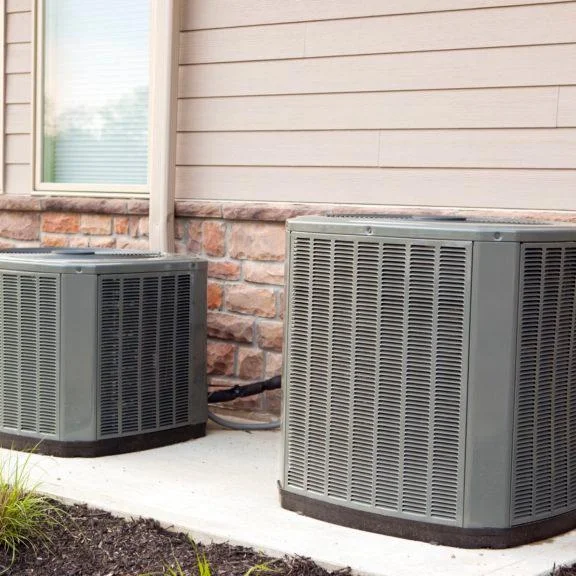
Q: Can electrical issues cause frozen AC coils? A: Yes. Intermittent blower operation from a bad capacitor, loose wiring, or control board faults can drop airflow and freeze the coil, sometimes followed by air conditioner leaking water when the ice melts.
Q: Why is my thermostat not responding or short cycling the system? A: Thermostat issues may stem from low batteries, misconfiguration, or faulty wiring. Electrical noise from failing components can also cause erratic behavior. Verify power (C wire), settings, and have wiring and relays inspected.
Q: My AC is noisy and not cooling well. Should I suspect refrigerant leaks first? A: Not necessarily. A noisy air conditioner often points to electrical parts like a chattering contactor or weak capacitor. Rule out electrical faults before chasing refrigerant leaks.
Q: How often should I have electrical components inspected? A: At least annually during a pre-season tune-up. Older systems or homes with known electrical concerns in Port Chester may benefit from a mid-season check as well.