When summer humidity spikes along the Long Island Sound, many Port Chester homeowners discover their AC not cooling as heat pump contractors ny expected. High moisture in the air challenges even well-maintained systems, revealing weaknesses like weak airflow AC, thermostat issues, or frozen AC coils. If your home feels sticky and warm despite a running system, here’s how to diagnose and fix the most common Port Chester home HVAC issues—and when to call a pro.
High Humidity Changes How Cooling Works Air conditioners cool by removing heat and humidity from indoor air. On muggy days, your system must condense more moisture on the evaporator coil before it can drop the temperature. If that process is slowed by clogged AC drain line problems, restricted airflow, or refrigerant leaks, the system struggles to keep up. The result: longer run times, uneven temperatures, and rooms that never feel dry or comfortable.
Common Reasons Your AC Isn’t Cooling in Humidity
- Thermostat issues: Incorrect mode or sensor placement can cause short cycling or premature shutoff. Make sure it’s set to “Cool,” not “Auto” for the fan, and that the temperature is a few degrees lower than current indoor temp. A thermostat near a sunny window or kitchen may misread heat and humidity, leading to AC not cooling effectively. Weak airflow AC: Dirty filters, blocked supply or return vents, or a failing blower reduce air passing over the coil. Poor airflow prevents proper dehumidification and heat transfer, making your home feel clammy. Frozen AC coils: Low airflow or low refrigerant can drop coil temperatures below freezing, building ice and stopping cooling entirely. You might see frost on the indoor unit or notice water after it thaws. Refrigerant leaks: Low charge reduces cooling capacity and increases humidity indoors. Leaks are common in older systems or where the line set insulation has deteriorated. Clogged AC drain line: When the condensate drain is blocked, water backs up into the pan, potentially triggering safety switches that shut down cooling. You may also see an air conditioner leaking water around the indoor unit. Noisy air conditioner: Rattles, buzzing, or grinding can indicate loose panels, failing fan motors, or electrical AC problems. Noise often accompanies performance issues, especially under high load. Electrical AC problems: Weak capacitors, failing contactors, or tripped breakers cause intermittent cooling, short cycling, or no start conditions—issues that become more obvious on humid days when the system runs longer. Ductwork losses: Leaky or poorly insulated ducts pull in damp attic or crawlspace air, undermining cooling and increasing indoor humidity. Oversized equipment: An oversized unit cools the air quickly but doesn’t run long enough to dehumidify, leaving rooms cool but clammy. This is a common culprit behind AC not cooling comfortably in our climate.
DIY Checks Before Calling for Service
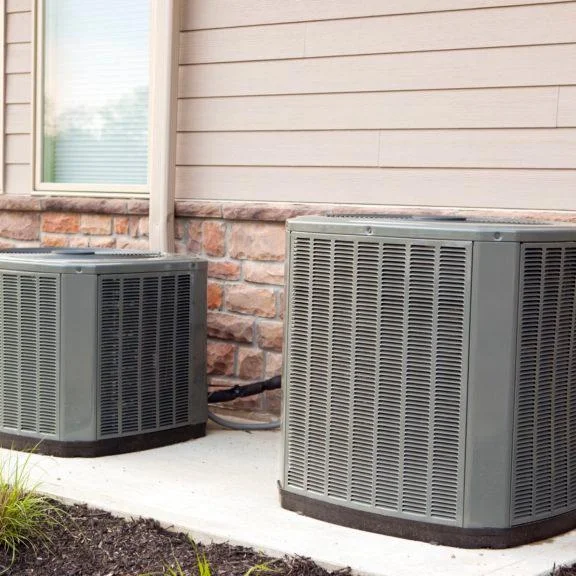
- Set your thermostat correctly: Use “Cool” mode and “Auto” fan so the system can fully dehumidify. If you have a smart thermostat, enable dehumidification controls if available. Replace the air filter: In peak season, check monthly. A clogged filter is the leading cause of weak airflow AC and frozen AC coils. Clear supply and return vents: Move furniture, rugs, or drapes blocking airflow. Vacuum dust from grilles. Inspect the outdoor unit: Remove leaves and debris within two feet of the condenser. Gently hose off the coil fins from the outside in. Make sure the fan is spinning freely. Check the drain line: Look for an access tee near the indoor unit. If water is backing up or you see an air conditioner leaking water, turn off cooling and pour a cup of white vinegar into the drain to help clear algae. If it’s fully clogged, you may need a wet/dry vac on the outside drain to pull the blockage. Defrost frozen coils: If you suspect frozen AC coils (little to no airflow, ice visible), turn the system off at the thermostat and set the fan to “On” for several hours to melt ice. Do not run cooling until airflow is normal. Verify breakers: Check the electrical panel for tripped breakers on the air handler and condenser. Reset once; if it trips again, call a professional to avoid further electrical AC problems.
When to Call a Port Chester HVAC Professional
- Persistent humidity and AC not cooling: If indoor humidity stays high despite long run times, you may have refrigerant leaks, an undersized return, or an oversized unit. A load calculation and airflow test can identify the root cause. Ice, repeated freezing, or water leaks: Frozen AC coils or a clogged AC drain line that returns after cleaning needs professional diagnostics to prevent damage to the compressor or drywall. Short cycling or frequent restarts: Could be thermostat issues, a failing capacitor, or low-pressure/high-pressure safety trips. Electrical AC problems should be handled by a technician. Odd or noisy air conditioner operation: Buzzing, clicking, or grinding sounds point to failing motors, contactors, or loose components. Aging equipment and high bills: Systems over 12–15 years old may struggle in humid conditions. Consider upgrades like variable-speed air handlers, two-stage or inverter condensers, and whole-home dehumidifiers.
Port Chester-Specific Tips for Humidity Control
- Seal and insulate ducts in attics or crawlspaces: Local homes often have older ductwork pulling damp air from unconditioned spaces. Sealing reduces latent load and improves AC performance. Address building envelope leaks: Weatherstrip doors and windows, seal rim joists, and improve attic insulation. Reducing infiltration keeps humid outdoor air out and helps the system maintain comfort. Consider a standalone whole-home dehumidifier: Especially helpful in basements and first floors near the Sound. It works with or alongside your HVAC to control moisture without overcooling. Choose right-sized, variable-speed equipment: Variable-speed blowers run longer on low, increasing moisture removal. Work with a licensed Port Chester contractor to perform a Manual J load calculation. Maintain the condensate system: Algae growth is common in summer. Annual cleanings and adding drain pan tablets can prevent a clogged AC drain line and air conditioner leaking water incidents.
Preventative Maintenance Checklist
- Spring tune-up: Clean coils, check refrigerant charge, test capacitors/contactors, measure static pressure for weak airflow AC, and flush condensate lines. Filter schedule: 1-inch filters monthly in summer; 4–5 inch media every 3–6 months; adjust if you have pets or allergies. Thermostat calibration: Verify sensors and update firmware on smart models. Relocate if heat sources cause thermostat issues. Outdoor unit clearance: Keep shrubs trimmed and maintain 18–24 inches of breathing room for better performance in humid weather. Duct integrity: Inspect for leaks, kinks, and insulation gaps every few years.
What Not to Ignore
- Musty smells or visible moisture: Could indicate ongoing drain issues or microbial growth. Tackling it early keeps air quality healthy. Sudden spikes in noise: A noisy air conditioner often precedes component failure. Addressing it can prevent a midsummer breakdown. Repeated topping off refrigerant: Refrigerant leaks don’t resolve on their own. A proper leak search and repair is critical to protect your compressor and restore capacity.
The Bottom Line High humidity exposes weaknesses in your cooling system. By ensuring strong airflow, clean drains, accurate controls, and tight ducts, most Port Chester home HVAC issues can be avoided. If your AC not cooling problems persist—especially with signs like frozen AC coils, an air conditioner leaking water, or electrical AC problems—schedule a professional assessment. With the right fixes, you can keep your home cool, dry, and energy-efficient all summer.
Frequently Asked Questions
Q: Why does my AC cool less on humid days even though it runs constantly? A: The system must remove more moisture before lowering temperature. Any restriction—weak airflow AC, dirty coils, or refrigerant leaks—slows dehumidification and reduces sensible cooling.
Q: How can I tell if I have thermostat issues? A: If the system short cycles, the fan runs but no cooling engages, or the temperature reading doesn’t match a reliable thermometer, you may have placement or calibration problems. Check mode settings and consider relocating or replacing the thermostat.
Q: What should I do if I see ice on my indoor unit? A: Turn cooling off, set the fan to On to thaw frozen AC coils, replace the filter, and check vents. If ice returns, call a pro to test refrigerant charge and airflow.
Q: Why is water leaking from my AC? A: A clogged AC drain line or a rusted drain pan is likely. Flush the line with vinegar and have the system cleaned. If the safety switch trips, the system may shut down, leading to AC not cooling.
Q: Is a whole-home dehumidifier worth it in Port Chester? A: Often yes. It lowers indoor HVAC contractor humidity without overcooling, relieves the AC’s latent load, and improves comfort—especially in basements and coastal-influenced homes.